


Few Americans of our generation know what war is really like. Unless you’re related to a soldier or a refugee, even our war against terror has little to no influence on our daily lives. Coming from this standpoint, it was a bit of a shocker to come to Spain where the war that began before WW2 just ended it's political influence recently. While we may be a little sapling of a country to most of the world, our constitution has withstood a couple of centuries by now. Spain as we know it today—member of the UN, independent, democratic—began in 1978 when the Constitution was finally signed just a few years after Franco’s death. The effects of the war are everywhere still and first came to attention when I began to question the enormous servings of food I was being told to eat. It’s not that they are intent on fattening us (though my host mom recently admitted to trying to), it’s that they’re grateful to have food to share and want to eat it copiously to celebrate. The idea that starvation was still around in such a modern nation in the past century, it’s a little mind boggling. With our modern era we’ve seemed to compile the world into two lumps, the Haves and the Have Nots. Franco, dictator extraordinaire and leader of one of the strictest fascist regimes in history, took Spain from being one of the most progressive countries in Europe at the time to a period of intense repression and, at the beginning, poverty and starvation. Women could not vote, there were no elections, and above all Catholicism reigned. The retiring generation of today not only knows what it’s like to experience war, they’ve lived through Franco’s era and carry that mark with them. It’s like walking into a live history museum and piecing together the causes and effects of what is fundamental to the Spanish culture today. Copious amounts of food because of food shortages then, tons of housewives because of machismo culture that never left, gorgeous yet empty churches—it’s seeing firsthand the psychological effects of war and the perseverance of history no matter how much we try to forget the past. The Spanish Civil War, set a little before WW2, is nearly forgotten or glazed over because while the rest of the world was still hacking at each other, Spain was nursing its own wounds and kept out of the mess. Yet no matter how few people know about it, the pain still exists as does the ‘pact of silence’ Spaniards have put around this trying time.
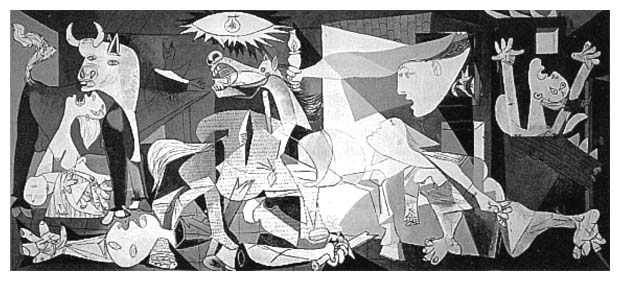
Stepping into history, piecing together facts and seeing firsthand things I’ve only seen or read about, this is one of the reasons why I love Europe. It has been more than incredible to be able to travel and actually visit places like the Vatican, the most powerful church in the world; Guernica, Picasso’s famous painting after the first ever bombing of a civilian city; and ruins from the most ambitious empire of old, Rome. But even better than being able to visit has been the opportunity to see for myself the culture that surrounds each. Accompanied with years of studying fitting together the puzzle pieces of history and analyzing the final result is not only satisfying, it’s brought history to a whole new level of importance I never thought it could have because it does apply to everyday life. Even though I’ll be crying my eyes out the entire time, it’s in the plans to visit a concentration camp while in Holland. While a grotesque history no wishes were true, genocides happen and trying to ignore dark pasts just mean you are taking away warnings for the future. The main message of Dauchau, a concentration camp in Germany, is “Never again.” If that monument weren’t there what would serve as caution to the next generation about the dangers of ambition? It’s a worn saying but true, “if you don’t know the past you’re doomed to repeat it.”


Post a Comment